
Indar Pet
Urine Crystals & Bladder Stones in Cats & Dogs
Mar
Finding out that your cat has urine crystals or bladder stones can be worrying. Understanding the differences, causes, and potential risks can help you provide the best care for your furry friend.
The good news? With early recognition, proper diet, hydration, and veterinary guidance, most cats — and even some dogs — can live happily while managing urinary health.
What Are Urine Crystals and Bladder Stones?
Urine crystals are tiny mineral deposits that form in the bladder or urinary tract. They can sometimes grow into larger formations called bladder stones (or uroliths).
-
Crystals are microscopic and may or may not cause symptoms
-
Bladder stones are larger, can obstruct urine flow, and may require veterinary intervention
While more common in cats, dogs can also develop crystals or stones, particularly certain breeds prone to urinary issues.
Types of Urinary Crystals and Stones
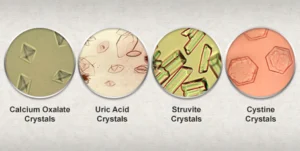
1. Struvite (magnesium ammonium phosphate)
- Often forms in alkaline urine (high pH)
- Associated with urinary tract infections or diet
- Can sometimes dissolve with a veterinary-prescribed diet
2. Calcium Oxalate
- Forms in acidic urine (low pH)
- Cannot usually be dissolved through diet alone
- More common in older cats
- May require surgery if stones grow too large
3. Mixed Crystals or Stones
- Some cats may have both struvite and oxalate crystals
- Diet and veterinary management need to balance risks of both
4. Other Types of Stones
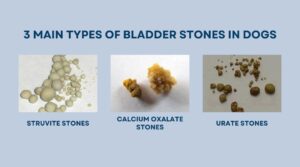
While struvite and oxalate crystals are the most common, other types of urinary stones can also occur in cats and dogs:
- Cystine – usually appears in dogs with a genetic predisposition, less common in cats
- Urate / Uric acid – more frequent in certain dog breeds, may appear reddish-brown
- Xanthine – rare, sometimes occurs due to specific medications
- Mixed compositions – some stones contain multiple types of minerals, making treatment more complex
Recognising the type is essential for proper treatment and dietary management.
How Crystals and Stones Form
- Changes in urine pH
- Low water intake or dehydration
- Diets high in certain minerals
- Urinary tract infections (more relevant for struvite)
- Genetics and breed predispositions
In dogs, urinary stones are less common but can occur, especially in breeds like Miniature Schnauzers, Shih Tzus, and Bichon Frises.
Recognising Symptoms
Watch for warning signs:
- Straining to urinate or frequent trips to the litter box
- Blood in urine
- Crying while urinating or urinating outside the litter box
- Lethargy, loss of appetite, vomiting (especially if blocked)
Emergency alert: If your cat or dog cannot urinate, this is a life-threatening blockage. Contact your vet immediately.
Treatment and Management
Struvite stones/crystals
- Often managed with a specialised diet that acidifies urine and reduces magnesium
- May dissolve under veterinary guidance
Calcium oxalate stones
- Usually require surgical removal
- Diet helps prevent recurrence, but dissolution is not possible
Mixed conditions
- Cats with both types may require careful diet management and regular monitoring
Other types
- Cystine, urate, xanthine, or mixed stones often require veterinary assessment, specific diets, and sometimes surgery
At Indar Pet, we offer:
- Urinary struvite diet
- Renal support diet
- Combination diets for cats with multiple risks
- Supportive products like hydration aids, broths, and urine collection tools for monitoring
Preventing Future Stones
-
Encourage your cat or dog to drink plenty of fresh water
-
Use urinary support diets as recommended by your vet
-
Monitor litter box habits or urination frequency
-
Regular check-ups and urine tests are essential
Key Takeaways
- Urine crystals and bladder stones are different: crystals are small, stones are larger
- Struvite and oxalate stones have different causes and treatments
- Other stones (cystine, urate, xanthine, mixed) exist and require proper recognition
- Early recognition and diet management are crucial
- Blockages are emergencies — know the signs
- Prevention is always better than cure
Closing Encouragement
Urinary crystals and bladder stones can be managed with care, diet, and veterinary guidance. With the right support, your cat or dog can live a happy, healthy life.
Explore our range of diets and urinary care products to keep your pet comfortable and prevent future urinary issues.
Have you noticed changes in your cat or dog’s urination habits, or do you suspect your pet may be developing urinary crystals or stones?