
Indar Pet
SDMA Guidelines for Cats and Dogs: What High SDMA Levels Mean for Your Pet’s Kidney Health
Jul
When your vet tells you that your dog or cat has a high SDMA level, it can feel confusing — and even worrying.
Many pet owners have never heard of SDMA before. They may understand that it is related to the kidneys, but they often wonder:
What exactly is SDMA?
Does a high SDMA level mean my pet has kidney disease?
Can anything be done to support my pet?
The good news:
Understanding SDMA can help you feel more informed about your pet’s kidney health and what steps may come next.
It helps you understand:
- what SDMA measures
- why veterinarians use it
- how it relates to kidney disease
- and why early detection matters
What is SDMA?
SDMA stands for Symmetric Dimethylarginine.
It is a substance produced naturally by the body that is removed from the bloodstream by the kidneys.
Healthy kidneys filter SDMA efficiently.
However, when kidney function begins to decline, SDMA levels can increase.
This makes SDMA a valuable marker for understanding how well the kidneys are working.
Why is SDMA important for kidney health?
Traditional kidney markers, such as creatinine, have been used for many years to evaluate kidney function.
However, creatinine levels can sometimes remain within the normal range until a significant amount of kidney function has already been lost.
SDMA can be helpful because it may show changes earlier.
This means:
- kidney changes may be detected sooner
- veterinary monitoring can begin earlier
- supportive care can be considered before problems become more advanced
Early awareness gives owners more time to make informed decisions.
SDMA vs Creatinine: What is the difference?
Both SDMA and creatinine provide information about kidney function, but they work differently.
SDMA
- Can indicate early changes in kidney function
- Is less affected by muscle loss
- Can be useful in older pets or pets with reduced muscle mass
Creatinine
- Measures another waste product filtered by the kidneys
- Is commonly used for kidney evaluation and CKD staging
- Can be influenced by muscle mass
Veterinarians often look at SDMA together with other information, including:
- creatinine levels
- urine tests
- hydration status
- clinical signs
- medical history
No single number tells the whole story.
What does a high SDMA level mean?
A high SDMA result does not automatically mean your pet has severe kidney disease.
It means your veterinarian may want to investigate further.
Possible reasons for increased SDMA include:
- early kidney changes
- chronic kidney disease (CKD)
- temporary changes affecting kidney function
- other health factors
Your vet will usually consider the complete picture rather than one result alone.
Understanding SDMA Results
Normal SDMA
A normal SDMA level generally suggests that kidney filtration is currently within an expected range.
However:
- regular monitoring is still important, especially in senior pets
- changes over time can provide valuable information
Goal:
- Maintain kidney health
- Monitor changes
- Support healthy ageing
Mildly Increased SDMA
A small increase may indicate that kidney function should be monitored more closely.
Your vet may recommend:
- repeating blood tests
- checking urine
- reviewing diet and hydration
- looking for other signs of kidney disease
At this stage, many pets still appear completely healthy.
Moderately Increased SDMA
Higher SDMA levels may suggest more noticeable reduction in kidney filtration.
Your vet may discuss:
- kidney-friendly nutrition
- hydration support
- regular monitoring
- additional investigations
Many pets with kidney disease can still enjoy a good quality of life with appropriate care.
Significantly Increased SDMA
A very high SDMA result may indicate more advanced kidney changes.
Pets may require:
- closer veterinary supervision
- dietary adjustments
- additional supportive treatments
- regular health checks
The goal is always to maintain comfort and wellbeing.
Why do owners feel confused about SDMA?
Many owners struggle when they first hear about SDMA because:
- it is a new term they have never heard before
- blood results can feel overwhelming
- pets often look completely normal in early kidney disease
This is one of the most challenging parts of kidney disease:
Pets can hide signs of illness for a long time.
That is why monitoring and understanding kidney markers can be so valuable.
What happens after an increased SDMA result?
Your veterinarian may recommend:
- repeating blood work
- performing urine tests
- checking hydration levels
- evaluating diet
- monitoring changes over time
Every pet is different.
The aim is not only to identify kidney problems, but also to create a plan that supports your pet’s quality of life.
SDMA is an important marker used to evaluate kidney function
It may detect kidney changes earlier than some traditional markers
A high SDMA result does not always mean advanced kidney disease
Veterinarians use SDMA alongside other tests for a complete picture
Understanding kidney health helps owners make better decisions
Closing encouragement
If your dog or cat has an increased SDMA level, it is completely normal to have questions.
The most important thing is that you now have more information and more opportunities to support your pet.
Kidney health is not only about numbers — it is about helping your companion feel comfortable, active, and happy for as long as possible.
With the right monitoring, nutrition, hydration, and veterinary support, many pets with kidney changes continue to enjoy a wonderful quality of life.
Interpreting Your SDMA Results: Understanding Kidney Health and Next Steps.
Click on the image to learn more
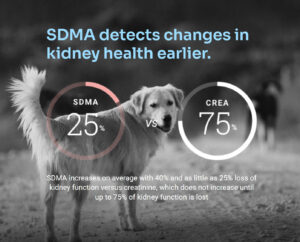
Image courtesy of www.idexx.co.uk
Find non-invasive home tests for creatinine, urea, and urine at Indar Pet.
Monitoring your pet’s kidney health from home helps you stay informed and notice important changes earlier, giving you more confidence when discussing your pet’s wellbeing with your veterinarian.
Our sterile collection containers make sample collection simple, safe, and hygienic, helping you take an active role in your pet’s health care.
Discover our home kidney health products at indarpet.co.uk
