Nov
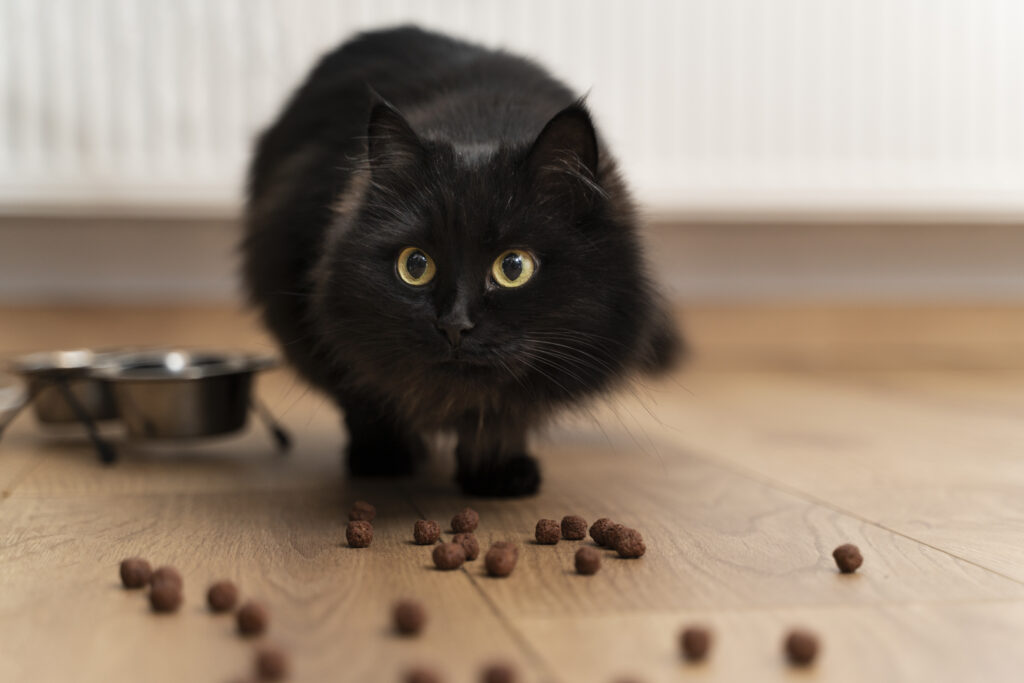
Many cat owners face a worrying scenario: their feline refuses to eat veterinary prescription diets, whether designed for kidney disease, urinary crystals, or urinary tract issues. While it may seem harmless at first, this is a critical health concern. Ignoring it can undermine months of careful veterinary management and lead to serious complications.
Why Proper Nutrition Matters
Reduce phosphorus and protein load for kidney support
Manage urinary pH to prevent crystal formation and stones
Support electrolyte balance
Provide complete nutrition despite medical restrictions
For cats with chronic kidney disease (CKD), research shows that proper diet can slow disease progression, maintain body condition, and improve quality of life. For cats prone to urinary crystals, diet is key to prevent recurrence, as urinary pH and mineral content are directly influenced by food.
Looking Beyond Prescription Food
Sometimes, prescription diets alone are not enough. Cats can be picky or sensitive, and forcing them may worsen stress or anorexia. That’s why it’s essential to explore natural, low-phosphorus foods that:
Are palatable and safe for kidneys and urinary tract
Provide hydration and nutrients
Complement prescription diets without increasing crystal risk
Our store is designed to offer everything in one place – no endless searching or complicated research. Everything we recommend is based on what helped our own pets, and it can help your cat and thousands of others across the country.
The Dangers of Skipping Meals
Cats are unique obligate carnivores. Even short periods without eating can cause serious metabolic issues:
Hepatic lipidosis (fatty liver): can develop after 2–3 days of anorexia, a life-threatening condition.
Dehydration: worsens kidney and urinary conditions.
Electrolyte imbalances: affect heart, nerves, and muscle function.
Nutrient deficiency: leading to weight loss, immune compromise, and poor recovery.
Studies in feline medicine consistently show that any prescription diet is ineffective if the cat refuses to eat it.
Strategies to Encourage Eating
Here are clinically supported ways to improve intake without risking crystal formation or kidney overload:
1. Warm the food
Warming increases aroma and palatability.
Temperature should be lukewarm, not hot, to avoid burns.
2. Add a safe topper or “soup”
Use low-phosphorus toppers, such as chicken or fish broths without added salts, kidney-safe gravies, or plant-based toppers formulated for cats.
These increase flavour and moisture, which helps hydration.
Our store offers vet-approved toppers that are low in phosphorus and safe for urinary health: indarpet.co.uk/shop
3. Encourage hydration
Water intake is critical, especially for kidney or urinary conditions.
Use water fountains or water bowls with measuring lines to encourage drinking.
Flavour with electrolytes or kidney-safe broth to increase intake.
4. Frequent, small meals
Offer multiple small portions throughout the day.
Reduces risk of prolonged fasting and hepatic lipidosis.
5. Transition slowly if necessary
Mix increasing amounts of prescription food with previous diet, over 7–10 days.
Monitor weight and appetite.
6. Consult your veterinarian immediately if anorexia persists
Sometimes appetite stimulants or anti-nausea medication are necessary.
Prolonged refusal can rapidly become life-threatening.
Medical Evidence
A 2021 study in Journal of Feline Medicine and Surgery found that cats refusing renal diets experienced faster CKD progression and more frequent hospitalisations.
Urinary health studies show cats with recurrent crystals that refuse diet are at significantly higher risk of struvite or calcium oxalate stones.
Hydration, diet adherence, and nutrient intake are all strongly correlated with survival and quality of life in feline renal patients.
What Lies Beyond Prescription Food?
Cats with kidney or urinary issues sometimes need more than a single diet to stay healthy and nourished. Natural, low-phosphorus foods, toppers, soups, and hydration support can make the difference between adequate nutrition and dangerous anorexia.
We’ve searched far and wide for safe, effective options from around the world so you don’t have to. Everything we recommend is proven to help our pets thrive, and it can help yours too.
Peace of Mind for Your Cat
It’s not just about what’s prescribed – it’s about finding all the tools and options that support your cat’s wellbeing. Our store gathers these trusted solutions in one place, so you can feel confident that your cat is getting the nutrition and support they need. Cats are our prioriry!
Important Reminders
Never force-feed with inappropriate foods.
Monitor weight and urine output daily.
Seek veterinary care if your cat refuses food for more than 24 hours.
Always prioritise hydration – dehydration worsens kidney and urinary outcomes.
Question for You
Has your cat ever refused their prescription diet? What strategies have you tried to encourage eating, and how did it affect their kidney or urinary health?
