
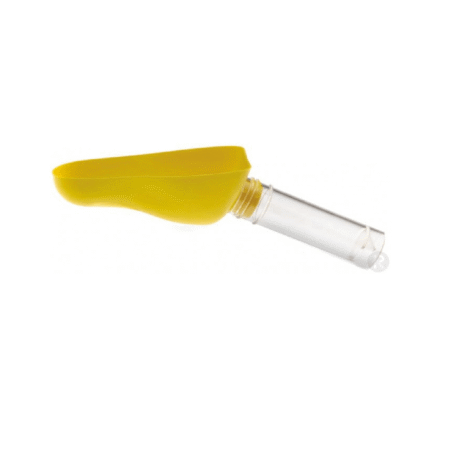
 STRESS-FREE Urine Collection for Dogs and Cats – The Easy Way to Collect Sterile Pet Urine Samples
 Indar Pet
Renal First Aid Kit for Pets – Home Kit You Can Prepare and Buy in Our Store NOW!

Nov
Chronic kidney disease (CKD) is one of the most common conditions in cats and dogs, especially as they age. Keeping your pets healthy requires careful attention to diet, hydration, and daily support. Veterinarians agree: pets that maintain their weight and general condition for longer can enjoy a significantly longer lifespan, potentially up to 2.7 times longer when combining a low-phosphorus diet with preventive care.
Your furry friends rely on you to keep them safe, healthy, and happy. One of the most delicate areas of a pet’s body is the urinary tract, including the bladder and kidneys. These organs are essential for removing waste, regulating hydration, and supporting overall health. But accidents, infections, or mild urinary issues can happen — and having a Home Renal First Aid Kit allows you to act quickly and reduce stress for both you and your pet.
Why a Home Renal First Aid Kit is Important
Pets do not always show symptoms until problems are serious. Minor urinary irritation or early infections can often be managed at home if you are prepared. A home kit allows you to:
-
Support hydration and urinary health immediately.
-
Monitor your pet for early warning signs.
-
Provide gentle, natural support for bladder and kidney function.
-
Avoid unnecessary stress trips to the vet for minor issues.
Key components to keep at home:
-
Hydration aids: wet food, water additives, broths.
-
Natural supplements: cranberry, bladder & kidney support formulas.
-
Monitoring tools: urine collectors, blood-in-urine test strips.
-
Easily digestible food for sensitive kidneys.
-
Soft treats to encourage reluctant pets.
Hydration: The First Line of Defence
-
Fresh water should always be available.
-
Wet food or broths increase fluid intake, keeping urine less concentrated.
-
Products like AniForte® Algae Oil can support overall kidney function.
💡 Tip: Keep small water stations in different rooms — cats and stressed dogs often drink more if water is convenient.
Diet and Nutrition
-
Choose renal-friendly foods or toppers high in quality protein but moderate in phosphorus.
-
Rotate natural proteins like chicken or turkey to make meals more appealing without overloading kidneys.
-
Avoid excess salt and artificial additives.
Natural Supplements for Home Support
-
Cranberry: helps prevent bacteria from sticking to the bladder walls.
-
BERRI tablets: a blend of cranberry, marshmallow root, D-mannose, astragalus, liquorice, and nettle seed to support bladder and kidney function.
-
Spirulina: rich in vitamins, minerals, antioxidants, and chlorophyll to support metabolism and immunity.
All products are safe for daily use under normal circumstances and are available in our store.
Monitoring and Tools at Home
-
Keep urine collectors or pads for monitoring changes.
-
Blood-in-urine test strips allow early detection before infections escalate.
-
Track your pet’s urination frequency, volume, and behaviour changes.
Preparing for Emergencies
Even with a home kit, some situations require immediate veterinary attention:
-
Severe pain or straining to urinate.
-
Persistent blood in urine.
-
Signs of systemic illness (vomiting, lethargy, fever).
Tips to stay prepared:
-
Keep your vet’s contact information visible.
-
Know the fastest route to your clinic or emergency veterinary service.
-
Have transport options ready: car, ambulance, or pet taxi.
-
Prepare carriers, blankets, and clean towels for quick trips.
Practical Examples of How Your Kit Works
Case 1: Max the Dog — Detecting Issues While on Holiday
You are on holiday with your dog Max at a hotel near a lake. Using the urine blood detector from your kit, you notice it changes colour — there is blood in his urine.
Thanks to early detection:
-
You act immediately, even though it is a public holiday and you have no car.
-
You find the contact numbers of a local ambulance service and a neighbour. The neighbour cannot help.
-
You call the ambulance, which takes Max to the nearest veterinary clinic quickly.
Outcome: The vet treats the issue before it becomes serious, and Max receives urgent care thanks to your preparedness.
Case 2: Luna the Cat — Mild Dehydration at Home
You notice your cat Luna seems lethargic and a little dehydrated. With your kit:
-
You perform a simple urine test and find concentrated urine, but no infection.
-
You give her hydration supplements from the kit and provide broths and wet food to increase fluid intake.
-
Over the next 24 hours, Luna drinks more, becomes more energetic, and her behaviour improves.
Outcome: Luna feels much better without an emergency vet visit, although you are ready to act if anything worsens.
Why Acting Early Matters
Minor urinary issues can escalate if left unchecked. By having a Renal First Aid Kit, you can:
-
Reduce stress and discomfort for your pet.
-
Support urinary and kidney function naturally while awaiting veterinary care if needed.
-
Catch early signs before a small problem becomes a serious infection.
💡 Pro Tip: Document even minor symptoms and contact your vet immediately if in doubt. Regular check-ups are crucial for maintaining long-term kidney and urinary health.
Ready to prepare your kit? Browse our carefully selected urinary and kidney support products and prioritise your pet’s health today!