-
×
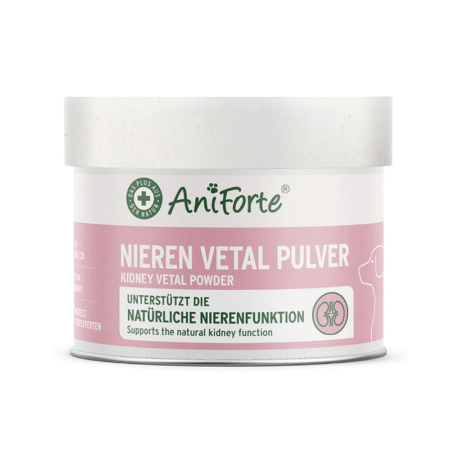 AniForte® KidneyVetal Powderfor 100g Dogs — NATURAL Herbal SUPPORT for Kidney & Urinary Health
1 × £13.99
AniForte® KidneyVetal Powderfor 100g Dogs — NATURAL Herbal SUPPORT for Kidney & Urinary Health
1 × £13.99 -
×
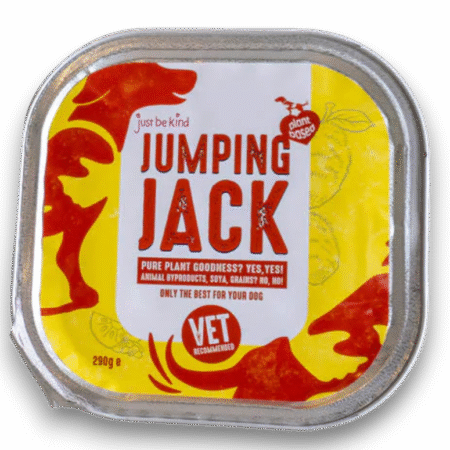 Jumping Jack – Complete Plant-Based Dog Food 290g
1 × £3.37
Jumping Jack – Complete Plant-Based Dog Food 290g
1 × £3.37 -
×
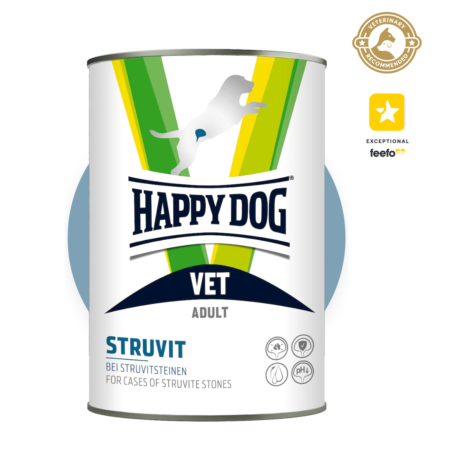 Happy Dog Vet Diet (Struvite & Urinary Tract) Wet Dog Food 400g
1 × £5.99
Happy Dog Vet Diet (Struvite & Urinary Tract) Wet Dog Food 400g
1 × £5.99 -
×
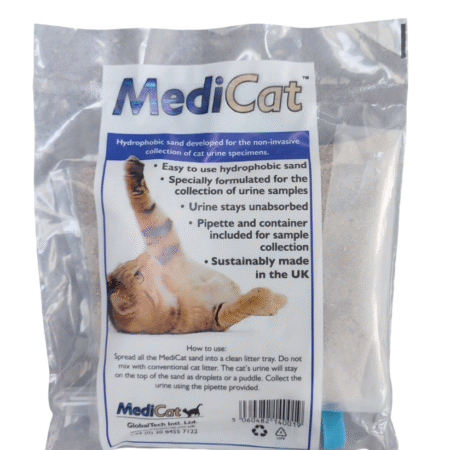 MediCat – Premium Non-Invasive Urine Collection Kit for Cats
1 × £8.61
MediCat – Premium Non-Invasive Urine Collection Kit for Cats
1 × £8.61
Indar Pet
Why Low Phosphorus and High-Quality, Moderate Protein Are Essential in Kidney Disease Diets for Dogs & Cats
06
Nov
Nov
Kidney disease — whether chronic or acute — affects the body’s ability to filter waste and maintain essential balances. Nutrition becomes more than feeding; it becomes a key part of medical management. Two principles stand out in renal nutrition: low phosphorus and high-quality protein in moderate amounts. Veterinarians agree: pets that maintain their weight for longer can enjoy a significantly longer lifespan, potentially up to 2.7 times longer when combining a low-phosphorus diet with preventive care.
But why are they so important? Let’s break it down clearly.
1. Phosphorus: Why “Low Phosphorus” Isn’t Marketing — It’s Medicine
Phosphorus is vital for life… until the kidneys can no longer remove it properly.
When phosphorus builds up in the bloodstream, it can:
-
Accelerate kidney damage and disease progression
-
Trigger hormonal changes and bone disorders
-
Increase the risk of mineral deposits in organs
Reducing dietary phosphorus is scientifically proven to slow the progression of kidney disease, improving comfort and longevity.
2. High-Quality Protein — But Less of It
Renal diets don’t remove protein — they refine and reduce it intelligently.
High-quality protein means:
-
Contains all essential amino acids
-
Highly digestible and efficiently used by the body
-
Produces fewer metabolic waste products
Moderate protein means:
-
Enough to maintain muscle and immune health
-
Less nitrogen waste for kidneys to eliminate
Fewer toxins to filter = Less strain on the kidneys
Preserves muscle without overloading the system
This balance is crucial — low quality, inadequate protein does more harm than good.
3. Additional Nutritional Adaptations in Renal Diets
A proper renal-support recipe also includes:
-
Controlled sodium to support blood pressure
-
Higher healthy fat content for energy without excess protein
-
Balanced vitamins & minerals (especially water-soluble vitamins)
-
Omega-3 fatty acids to reduce inflammation
-
Moisture-rich textures (broths, pâtés, soups) to boost hydration
4. How Our Products Support Kidney & Urinary Health
Our carefully selected formulas are designed to support kidneys and urinary wellbeing:
Low phosphorus to help protect kidney function
High-quality animal protein to nourish without overloading
Hydration-boosting formats (soups, moist meals, broths)
No unnecessary fillers like grains or artificial additives
Balanced minerals to help prevent urinary crystals and strain
Developed or reviewed with veterinary nutrition specialists
Our products don’t claim to cure kidney disease — but slowing the progression of the condition is our priority. Our products help support comfort, improve quality of life, and allow you to enjoy more incredible moments with your beloved pets. Best Natural Bites and Meals in our online store.
5. Real-Life Feeding Strategy
-
Use complete renal-support meals as the base diet
-
Add broths or soups to encourage hydration
-
Choose low-phosphorus treats designed for renal health
-
Include omega-3 supplements where recommended
-
Transition food gradually over 7–10 days
6. When to Seek Veterinary Advice
Contact your vet if you notice:
-
Increased thirst or urination
-
Weight loss
-
Reduced appetite
-
Vomiting, lethargy, or bad breath
-
Changes in behaviour or urination habits
Nutrition + monitoring = best outcomes.
Final Thoughts
A diet that is low in phosphorus and contains high-quality protein in controlled amounts is fundamental in managing kidney disease in dogs and cats.
When combined with good hydration, ongoing veterinary support, and regular testing, the right nutrition can make a profound difference in comfort, wellbeing, and longevity.
Explore our selection of renal-support foods, hydration toppers, and gentle treats designed to nourish without overloading the kidneys — because your pet deserves the very best care, every day.
Have you noticed any signs of kidney or urinary issues in your pet, and how do you manage their diet to support their health? Share your experiences with us in the comments below — your tips could help other pet owners!